An individual’s hair is a very personal matter and, increasingly, a protected characteristic in the workplace. Nationwide, states are tackling the issue head-on and passing laws banning race-based hair discrimination in the workplace.
Read MoreAn individual’s hair is a very personal matter and, increasingly, a protected characteristic in the workplace. Nationwide, states are tackling the issue head-on and passing laws banning race-based hair discrimination in the workplace.
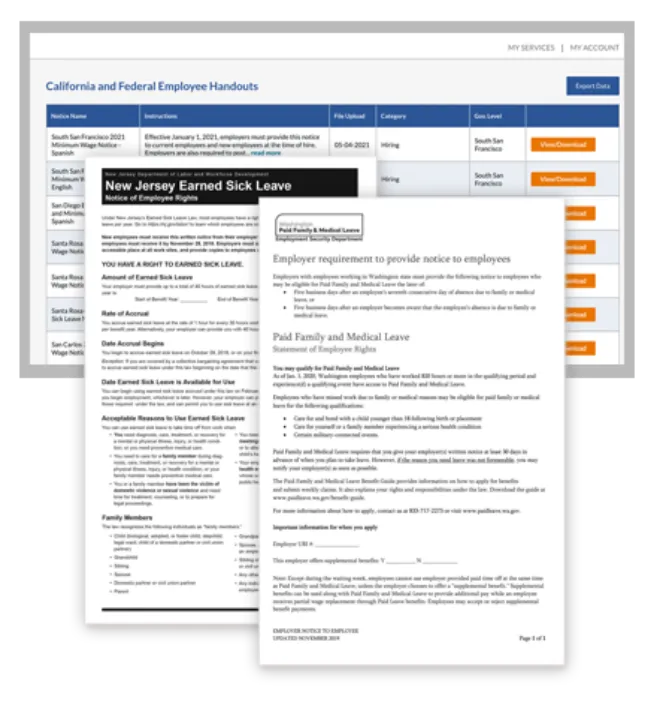
Read MoreHaving up-to-date labor law posters is important, but it's just part of the picture when it comes to workplace compliance. U.S. employers also need to provide specific legal notifications, known as employee handouts, to keep employees informed of their rights and responsibilities.
Read MoreIn most cases, the decision to approve or deny an employee’s request for time off is straightforward. Does the employee have available PTO? Did they follow established procedures, such as giving proper advance notice? Will other employees be available to cover the work?
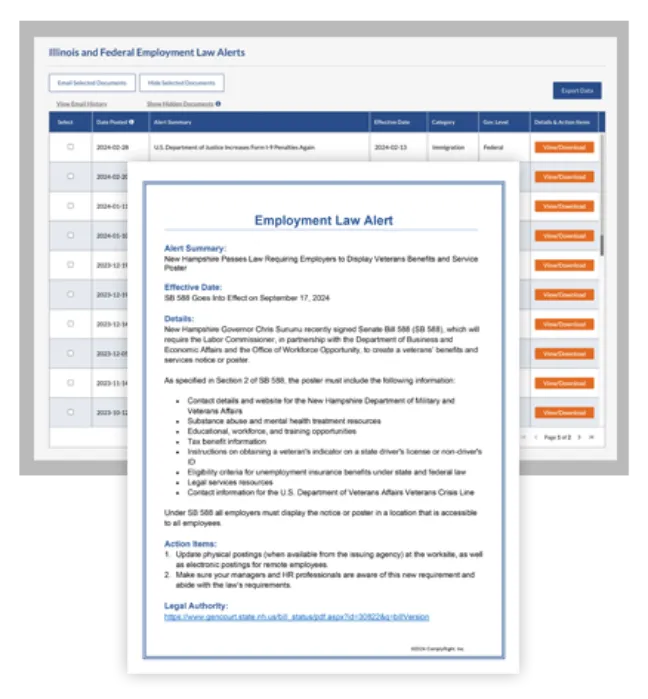
Read MoreNavigating today’s legal and regulatory landscape is a persistent challenge for employers. Beyond labor law posters and employee handouts, you must keep abreast of ever-evolving federal, state, county and city employment laws — and determine their impact on your business...
Read MoreThe current worker shortage is putting the squeeze on employers and forcing them to take new measures to run their businesses. For example, many employers are dealing with stagnant hiring and skeleton crews by requesting employees to “volunteer” to work extra hours.
Read MoreIn a recent development, a U.S. district judge in Texas has issued a ruling that halts the implementation of the new NLRB joint-employer rule. This decision, made on March 8, 2024, is prompting employers across various industries to take a closer look at their legal responsibilities and obligations.
Read MoreOne employee complaint. That’s all it takes to trigger a Department of Labor (DOL) investigation. And in most cases, those investigations are due to questionable time and pay practices. There are explicit rules regarding minimum wage, overtime pay, exemption classification and recordkeeping under the Fair Labor Standards Act (FLSA) — and the DOL will step in if the rules are violated.
Read MoreThe decision to use an independent contractor vs. hiring an employee is no longer just a matter of convenience: it’s a strategic choice that can impact your business. Ultimately, your decision will depend on your business priorities, your cash flow and the type of relationship you intend to maintain.
Read MoreKeeping current with labor law posting changes is not an easy task for employers. To show you just how extensive this undertaking can be, let’s consider a fictional pizza chain. We’ll look at the typical posting requirements impacting such a business and, most important, how a labor law posting subscription service can keep them current and compliant.
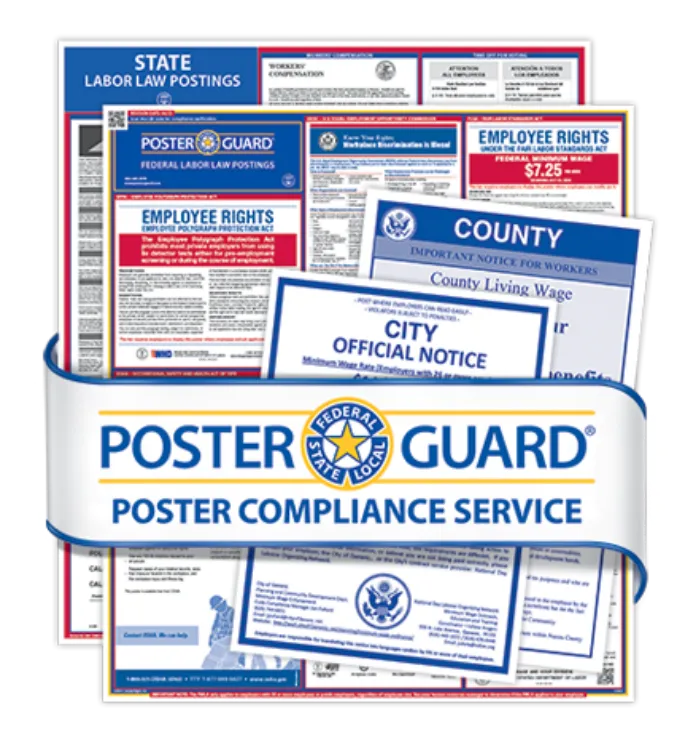
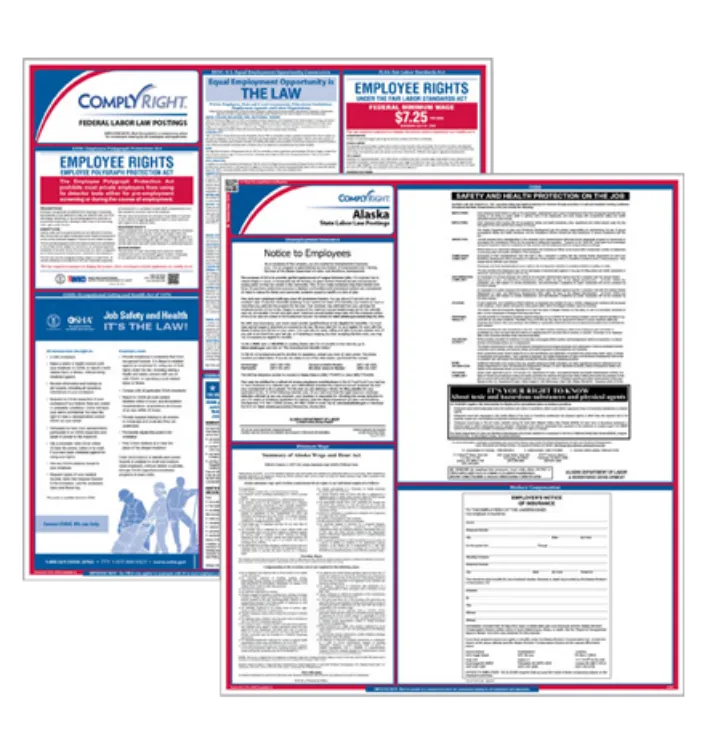
Read MoreComplying with federal, state and local labor law postings is a fundamental responsibility for all U.S. employers. In addition to the six mandatory federal postings, you may need to display an additional 19 state-issued posters, depending on your state. Moreover, county and city regulations introduce yet another layer of complexity, often requiring additional postings.
Read MoreThe legal environment for employers is always changing, particularly with state, county and city labor law requirements. For example, in the absence of any movement at the federal level since 2009, state legislatures continue to enact minimum wage increases.
Read MoreYou’re keeping current with all labor law postings impacting your business, so you’re fully compliant, right? Not necessarily. Beyond workplace postings, U.S. employers must also distribute notifications directly to employees under specific circumstances.
Read MoreThe recent enactment of the Pregnant Workers Fairness Act (PWFA) marks a significant shift in the regulatory landscape for employers. This newly passed legislation poses fresh responsibilities and challenges for businesses across the U.S. as it aims to ensure fair treatment and support for pregnant workers.
Read MoreThink that workplace posting updates occur only once a year? It’s a common misconception, but one that can create a dangerous gap in your posting compliance. Labor law posting requirements change frequently and randomly, which means you may need to address updates more than annually.
Read MoreIf you operate across many jurisdictions, this flurry of separate minimum wage laws creates a unique compliance challenge. Yet it’s essential to keep up with them because when federal, state and local minimum wage laws differ, you’re legally required to pay the most generous rate to your hourly, nonexempt workers.
Read MoreIt's a misconception that could cost you: There’s no “one-stop-shop” to obtain every mandatory workplace posting for free. To meet the latest federal, state and local posting requirements, you need to look beyond workers’ comp insurance providers and government agencies.
Read MoreIt’s one thing to keep up with federal-level employment laws and related postings … it’s quite another when you drill down to the state, county and city level. While the federal requirements are limited to a handful of postings, mandatory postings in certain states can climb into the double digits.
Read MoreAre your workplace postings complete and current? If the answer is anything but “yes,” the risk of labor law posting fines is greater than ever.
The U.S. Department of Labor (DOL) recently published adjusted penalties for posting violations, effective January 15, 2023.
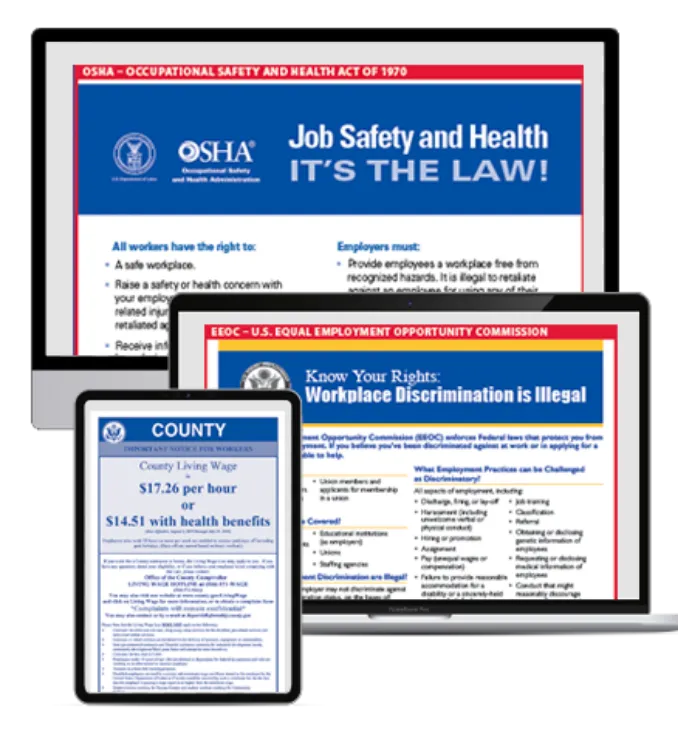
Read MoreManaging hourly remote workers comes with a whole host of compliance requirements. In addition to crucial time and pay considerations under the FLSA, you must implement and communicate company policies and provide mandatory labor law postings via an electronic service. Get the details on seven practical pointers that can ensure a positive, productive and legal arrangement with hourly remote workers.
Read MoreThe U.S. Equal Employment Opportunity Commission (EEOC) – the federal agency responsible for enforcing anti-discrimination laws in the workplace – recently released a draft of its Strategic Plan for Fiscal Years 2022-2026. It’s currently under review and subject to approval before being finalized. Let’s take a closer look at what the plan entails — and what you can do to strengthen your anti-discriminatory hiring and employee management practices for the years ahead.
Read MoreLabor law posting compliance is an ever-changing responsibility for U.S. employers. And there’s no better time to review the requirements – and ensure your postings are current and complete -- than the first of the year. Remember, too that posting compliance is your first line of defense with a government audit or employee lawsuit, so it’s important to get it right year-round. Follow these 10 basic steps to get your business in line now:
Read MoreWould it surprise you to learn that Fair Labor Standards Act (FLSA) lawsuits are at an all-time high? Much of this trend is due to unique and ongoing changes in the workplace, as well as new initiatives by the Department of Labor (DOL). As employers continue to adapt to hiring and staffing challenges, they need to be certain they’re paying remote workers for all hours worked, not misclassifying independent contractors who should be treated as employees, and upholding the latest minimum wage and overtime pay requirements for non-exempt employees.
Read MoreThe federal minimum wage has stayed at $7.25/hour since 2009 – the longest period in history without an increase. Will this change in the coming year? Perhaps … but only if Congress acts on legislative initiatives targeting this “stagnant” rate.
Read MoreEvery U.S. employer is responsible for displaying certain mandatory labor law postings. Meet that responsibility and you’re in the clear, right? Not so fast. What if you outsource HR functions or payroll to another company, or lease workers from a temp or staffing agency? Alternatively, what if your...
Read MoreWorkplace postings inform employees of their legal rights and responsibilities under federal, state and local regulations. Employee notices also inform employees of their legal rights and responsibilities under federal, state and local regulations.
Read MoreFor most employers, grasping the depth and breadth of workplace postings is challenging. Just when you think you have a handle on the complexities, a law or regulation changes — or a new requirement emerges, such as industry-specific labor law posters.
Read MoreAs a conscientious employer, you’re already aware of the federal, state and local labor law postings you must display to maintain compliance. But if your company does business with the federal government, did you know you’re responsible for federal contractor poster requirements that go beyond these core postings?
Read MoreIn this time of heightened government enforcement and growing employment lawsuits, anything short of total labor law compliance is risky.
Read MoreWith an eye toward a brighter future, many employers are eager to fill gaps in their staffing and bring on new talent. But the ongoing COVID-19 pandemic has taken its toll on the employment landscape.
Read MoreIn early 2020, partially or fully remote workplaces were the exception. But today, due to the unique dynamics surrounding COVID-19 and employee safety concerns, this working arrangement is commonplace. This widespread shift presents a host of compliance challenges, including how to manage posting requirements for hybrid workplaces.
Read MoreIf you’re considering DIY poster compliance to meet your labor law posting requirements, you may want to take a step back. When you weigh all the factors with a self-directed method, you’ll quickly realize that “free” government-issued posters will cost you in numerous other ways. For the most comprehensive and cost-effective approach to posting compliance, you’ll need the breadth and depth of coverage available with a reputable service provider.
Read MoreThe emergence of new COVID-related laws during the pandemic has led to a concerning spike in employment violations and lawsuits. Take a closer look at the claims that are coming to the forefront, and learn what steps to take to avoid similar legal issues with your business.
Read MoreWage theft is an all-too-common complaint among employees, which can lead to costly lawsuits. Learn the key requirements under the FLSA and the proper measures for avoiding complications.
Read MoreAlthough it’s important to understand the legal rights of pregnant employees under federal law, an emergence of state and local legislation is granting even more protections. In more than half the states, employers must now provide reasonable accommodations for pregnant workers. Learn what that entails and how to meet the related posting and notification requirements.