Handling a time-off request under the Family and Medical Leave Act (FMLA) is rarely straightforward. Unlike standard PTO requests, FMLA leave involves a web of federal, state and local regulations that many business owners find difficult to interpret and apply consistently.
With a deeper understanding of the rules and a fair approach, you can keep your company in compliance. Here are nine real-world FMLA leave scenarios and what you should do to stay on the right side of the law.
Scenario #1: Addressing a Pregnant Worker’s Request for Leave
Situation: Janet, a recently hired accountant, informs you that she is pregnant and wants to know if she will be paid during maternity leave and whether you will hold her job while she is out.
Legal Considerations:
- The FMLA applies if you have 50 or more employees, requiring you to hold the job for 12 weeks, but the leave can be unpaid.
- To be eligible, the employee must have been with the company for at least a year. Janet does not meet FMLA eligibility requirements as she has been at the job for less than 12 months.
- Many state, county and city laws give employees expanded leave rights beyond federal law. If laws conflict, go with the one that is most generous to the employee.
- The Pregnancy Discrimination Act (PDA) requires treating Janet’s request like any other leave of absence under company policy, including pay and benefits, eligibility, length of permitted time off, status during time off, reinstatement, the need for medical documentation and return-to-work releases.
From pregnancy leave to travel time, FMLA compliance depends on recognizing covered situations — and knowing exactly what to do when they arise.
Scenario #2: Recognizing Absences That Fall Under the FMLA
Situation: Frank, a warehouse coordinator, mentions he is tired from taking his son to physical therapy appointments. His supervisor, Susan, knows he’s been missing a lot of work but does not address it. Later, Frank’s new supervisor writes him up for excessive absences and demotes him to a part-time schedule.
Legal Considerations:
- Frank’s mention of his concern puts the company on notice about job-protected leave. Susan should have recognized that Frank’s absences might qualify for FMLA leave and reported it.
- Managers and supervisors need to be trained to spot potential FMLA-eligible absences and report them to HR or a senior manager. Reporting procedures should be included in your employee handbook.
- Note that Frank’s demotion and reduction in pay based on his absences could lead to an FMLA lawsuit against the company.
Scenario #3: Determining Whether a Medical Condition Qualifies for FMLA Leave
Situation: Lisa, your office manager, has chronic back pain that is causing her to miss work. She is FMLA-eligible, and she returns her medical certification form on time — but the form raises more questions than it answers, listing "unknown" frequency and "indefinite" duration.
Legal Considerations:
- Request more information from Lisa. You have the right to get an explanation of the frequency and duration of an employee’s leave from the doctor.
- Give Lisa at least seven days to resolve it, then contact her healthcare provider for more information, with Lisa’s authorization. This contact should not be made by the employee’s direct supervisor.
- Seek clarification or authentication of any information provided, but don’t go beyond what’s asked on the form.
Scenario #4: Dismissing a Worker While on FMLA Leave
Situation: Bob, a sales associate, is on FMLA leave for hip surgery. During his absence, you discover that Bob was entering false sales to boost his commissions. How should you handle this, knowing Bob is on job-protected FMLA leave?
Legal Considerations:
- You can discipline or terminate an employee for a legitimate business reason unrelated to the FMLA leave or health condition.
- Conduct a thorough investigation and document your findings to help your defense in an FMLA lawsuit. Consult with an attorney if you’re considering firing someone on protected leave.
Scenario #5: Intermittent Leave for Certain Qualifying Conditions
Situation: James, your IT manager, has severe depression that requires frequent doctor’s visits and occasional time off. How do you address his hours away from the business?
Legal Considerations:
- Intermittent leave management is likely the right approach here. Employees may take FMLA leave intermittently, in short blocks of time or by reducing their normal work schedules.
- Intermittent leave may be used for medical appointments, ongoing treatments and severe morning sickness.
- James should fill out a leave request form and provide medical certification. He needs to inform his supervisor every time he takes intermittent leave and complete FMLA and/or state law time sheets accurately.
Scenario #6: Military Caregiver Leave Under the FMLA
Situation: The husband of a call center employee suffered a severe leg injury in the line of duty. She wants to assist him with medical appointments, but it would require taking time off.
Legal Considerations:
- The FMLA provides eligible employees up to 26 workweeks of job-protected leave to care for a spouse, son, daughter or next of kin who is a member of the Armed Forces or a covered veteran undergoing medical treatment.
- Employers should recognize this type of leave exists and understand it differs from the usual 12-week FMLA scenarios.
- Obtain medical documentation/certification and carefully track the time taken.
Scenario #7: Leave for Adoption or Foster Care
Situation: Francisco, a senior warehouse manager, and his wife are preparing to adopt a child. He asks whether he is entitled to any time off.
Legal Considerations:
- Caring for a child after adoption or foster care placement qualifies for FMLA, allowing Francisco up to 12 weeks of job-protected leave.
- Ask Francisco to specify how much time off he wishes to take. If his wife works for your company, she may also be eligible for FMLA, so they can coordinate their time off.
Scenario #8: Supporting Employees Caring for Elderly/Sick Parents
Situation: John, a customer service representative, needs to take time off to help his mother, who has been diagnosed with a serious illness.
Legal Considerations:
- John's situation may qualify for traditional FMLA leave, as the FMLA covers leave to care for a parent with a serious health condition.
- A qualifying serious health condition includes inpatient care or ongoing treatment by a healthcare provider. John's mother's illness seems to require ongoing medical care.
- John should obtain medical certification from his mother's doctor to confirm the condition qualifies under FMLA.
Scenario #9: FMLA Leave for Travel Time to Medical Appointments
Situation: Maria, a marketing coordinator, was approved for intermittent FMLA leave for a serious health condition. Her monthly specialist visits are 45 minutes from the office, meaning she is away for significantly longer than the appointment itself.
Legal Considerations:
- Travel time to and from medical appointments is FMLA-protected, not just the appointment itself.
- The same rule applies when an employee travels to transport a qualifying family member — such as a spouse, child or parent — to a covered medical appointment.
- FMLA protection does not extend to unrelated stops or personal errands made during travel. Only time directly tied to the medical visit is covered.
- Medical certifications do not need to include travel time estimates to be valid. Employers cannot send a certification back for "clarification" on travel time.
Your FMLA Policy Should Be as Current as the Law
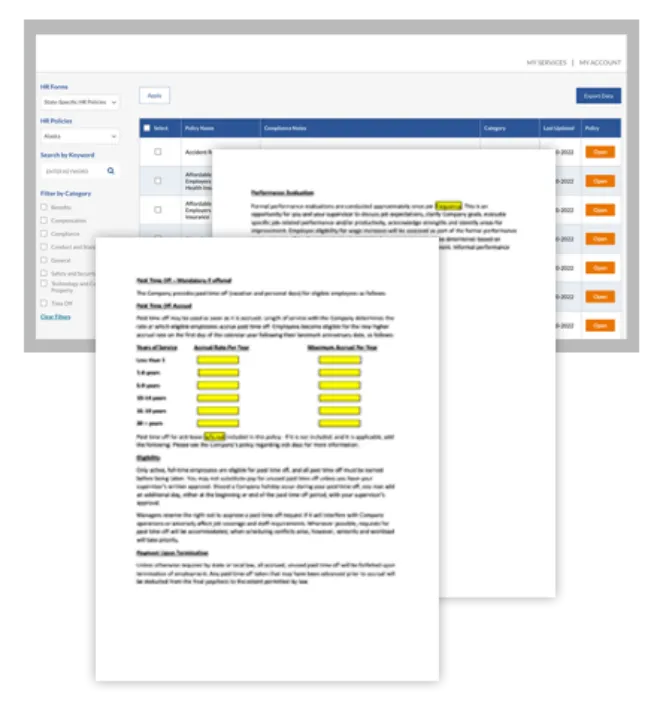
FMLA compliance starts with an up-to-date workplace policy. Verify all applicable federal, state and local regulations regularly, update your handbook using the State-Specific HR Policies Library and make sure employees can access the latest version.