You might not see it coming. One dissatisfied employee files a complaint, and suddenly your business is the subject of a Department of Labor (DOL) investigation. Under the Fair Labor Standards Act (FLSA), the DOL has broad authority to examine your time and pay practices — from minimum wage and overtime pay to exemption classifications and recordkeeping. With the Wage and Hour Division overseeing labor laws for more than 148 million workers, no employer is too small to be scrutinized.
Here's what you need to know about the risks of a DOL investigation, the process, and how to protect your business.
What Triggers a DOL Investigation?
A DOL investigation can be set in motion in more ways than you might expect. The most common trigger is a complaint from a current or former employee who believes your time and pay practices are unfair — and when that happens, the investigation can begin without any advance notice to you. But complaints aren't the only catalyst. The DOL also has the authority to conduct random inquiries, meaning your business could come under scrutiny even if no one has raised a concern.
What makes this especially challenging is how little information you're entitled to at the outset. The investigator assigned to your case is not required to reveal who filed a complaint, what was alleged, or even confirm that a complaint prompted the inquiry at all. In other words, by the time you know an investigation is underway, you may have very little context for why — which is exactly why preparation can't wait until an investigator comes calling.
What Are the Common Targets of DOL Investigations?
While no business is entirely off the DOL's radar, some are more likely to attract attention than others. Industries with historically low wages, high rates of wage violations, or workforces made up of vulnerable employees — such as seasonal workers or those in non-traditional arrangements — are frequent targets. So are businesses experiencing rapid growth or significant workforce reductions, where compliance gaps can develop quickly and go unnoticed.
Geography can also play a role. The DOL periodically pursues specific regions as part of broader enforcement initiatives, meaning your location alone could put you at risk, regardless of your compliance record.
The takeaway? No employer should assume they're in the clear. Whether it's your industry, your location, or simply bad timing, the risk of a DOL investigation is more widespread than many employers realize.
What Are the Procedures Followed During a DOL Investigation?
There are typically five parts to a DOL investigation:
- An initial conference to define the scope of the investigation
- An examination of records to determine which laws or exemptions apply (such as documents showing the employer’s annual dollar volume of business transactions, the employer/employee’s involvement in interstate commerce, work on government contracts, and relevant job descriptions)
- An examination of records subject to recordkeeping requirements
- Employee interviews
- A final conference to address violations and penalties
The process can be lengthy and involved, but employers who know what's coming are far better positioned to navigate it successfully.
What Are the Different Types of DOL Investigations?
When the DOL has limited resources for its investigations, it won’t always conduct a “full investigation” of every complaint. As a result, the agency has established other options for handling complaints. These include:
- Limited investigation. A “limited” investigation focuses on a particular employee or group of employees, department or division, employment practice (such as child labor violations) and/or a defined time period. A limited investigation does not probe into the employer’s general practices or areas that are not mentioned in the initial complaint.
- Office audit. This approach allows you to produce affidavits and requested documentation at a DOL office and does not involve an on-site visit.
- Self-audit. Some investigators will allow you to conduct your own internal review of the complaints made. In a self-audit, you compute any back wages owed and report the results to the investigator for review.
- Conciliation. In many cases, you and the DOL can consent to a quick resolution, such as payment of back wages to the employee or small group of employees. The matter is then resolved without an investigation.
While it’s up to the DOL investigator to determine the type of investigation to conduct, it’s in your best interest to limit the scope as much as possible, preferably handling it as conciliation or self-audit. By avoiding a full investigation, you will save time and legal costs, and you may have a better chance of avoiding back-wage assessments and other penalties.
Strengthen Your Response to a DOL Investigation
If you find yourself the subject of an investigation, how you proceed matters. The following steps are critical:
- Consider some level of legal assistance. Even if you decide to handle an investigation yourself to avoid paying legal fees, you should involve an attorney, on a limited basis, to help you. For example, you may want to have an attorney assess your liability, for settlement purposes, or review documents and written submissions before you submit them to the investigator. At the very least, you should have legal counsel review any agreements, settlements or other binding documents.
- Educate yourself. Regardless of whether you hire a lawyer, you should educate yourself about the investigation procedures and any relevant laws as early as possible in the investigation process. It’s important to know what the investigator has the authority to do and what you may legally be allowed to withhold before agreeing or objecting to the investigator’s requests.
- Clarify the range of the investigation. If an investigator agrees to limit the scope of the investigation or provides a specific description of the scope of the investigation, confirm the information in writing. You may rely on this written confirmation throughout the investigation to challenge requests for anything that is not listed.
The best defense against a DOL investigation? A compliance program that’s already in place before an investigator calls.
- Conduct an internal, “defensive” compliance audit. Once you learn you are being investigated, you should determine the status of your compliance with the specific FLSA regulation. You can conduct this audit yourself or with the help of a lawyer. In some cases, if you find the problems and start fixing them immediately, the investigator may overlook earlier violations. In addition, it’s in your best interest to right any wrongs to prevent any lawsuits that could be filed for back pay during the previous three years.
- Gather/preserve documents. Do not destroy or throw away documents connected to the investigation. This could be seen as the destruction of evidence, resulting in a severe penalty. Additionally, most of the records requested in a DOL investigation are covered by recordkeeping laws, and your company could face penalties for breaking these laws as well.
Tips for Avoiding a DOL Audit
While knowing how to navigate an investigation is important, the best strategy is to prevent labor law violations from occurring in the first place. Here’s where to focus:
- Strengthen your compliance program. Don’t wait for a compliant to reveal a problem. Periodically review your time and pay practices to catch and correct issues before they escalate.
- Train managers and employees. Your front-line managers make decisions every day that affect compliance. Make sure they — and your broader workforce — understand the rules and know how to follow them.
- Make compliance a habit. Compliance isn’t a box to check once a year. Weave it into your company culture and daily operations so it becomes second nature.
- Stay current. Labor laws change. Set aside time to keep up with updates at the federal, state and local level so you’re never caught off guard by a rule you didn’t know existed.
Don’t Overlook Posting Compliance As Added Protection
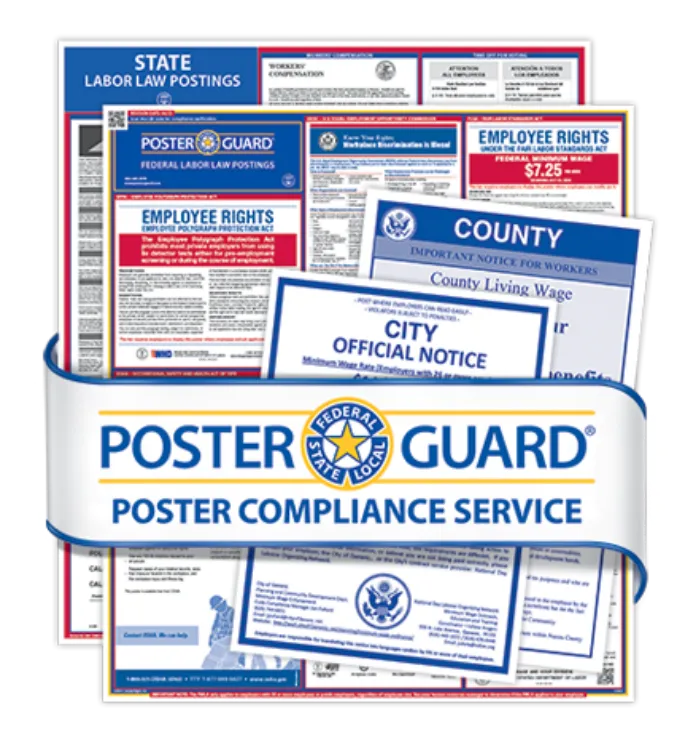
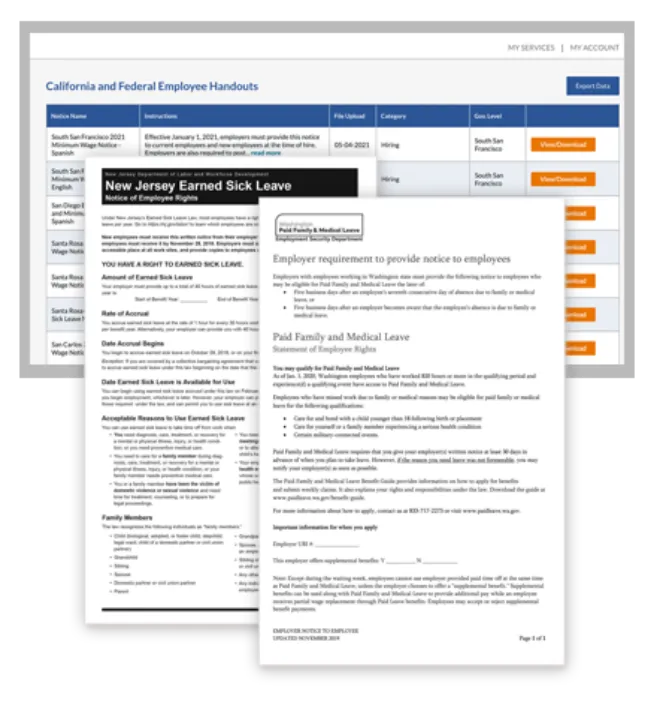
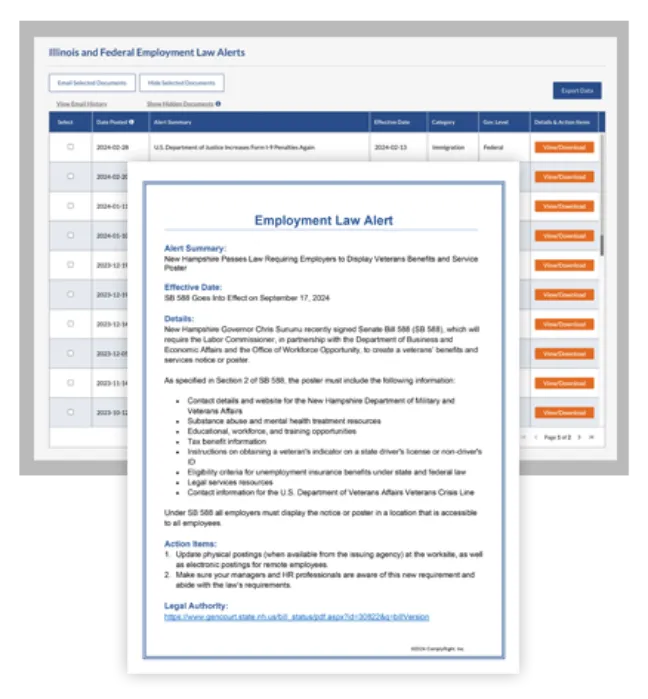
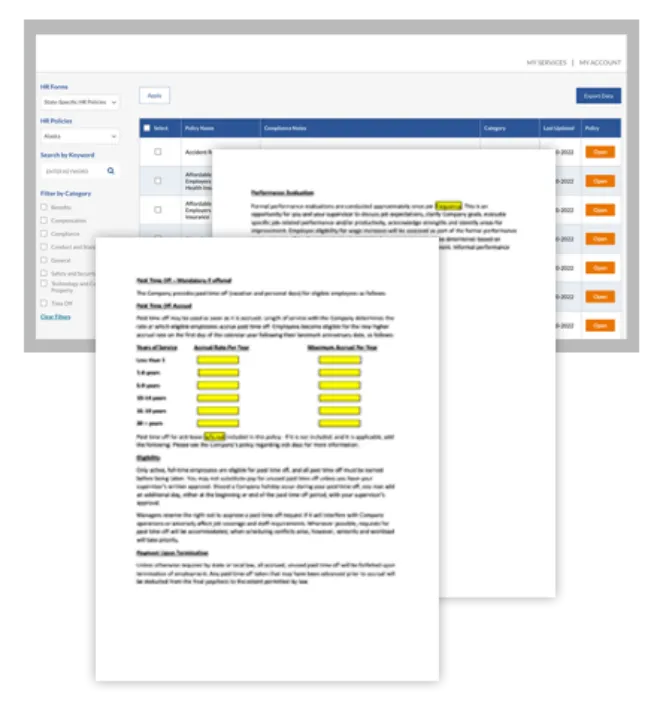
Compliance extends beyond your time and pay practices. Something as straightforward as your workplace postings can also come under scrutiny during a DOL investigation. Poster Guard® Poster Compliance Service gets your business up to date with all mandatory federal, state, county and city postings — and keeps it that way for an entire year. And if you’re ever found out of compliance, we pay the fines. It’s a simple, reliable way to demonstrate good faith and show a DOL investigator that you take your legal obligations seriously.