Search Results
MyPosterGuard.com

The Federal Minimum Wage Poster Requirement Every Employer Must Meet

The federal minimum wage hasn't increased in more than a decade, but employers are still required to keep the current rate posted where employees can see it. That obligation comes from the Fair Labor Standards Act (FLSA).

What is the FLSA?

Enacted in 1938 and amended numerous times since, the FLSA sets federal standards for minimum wage, overtime pay, equal pay, child labor and pay-related recordkeeping. These standards apply to workers in the private sector and in federal, state and local governments, and are administered and enforced by the Wage and Hour Division of the Department of Labor (DOL).

The DOL requires every employer to display an official FLSA posting in the workplace, one of six mandatory federal postings. Though commonly called the "Federal Minimum Wage Poster," it covers many more FLSA-related topics, including:

  • Minimum Wage: $7.25 an hour, effective July 24, 2009.
  • Overtime Pay: For non-exempt positions, employers must pay at least 1½ times the regular rate of pay for all hours worked over 40 in a workweek.
  • Child Labor: Employees must be at least 16 years old to work in most jobs and at least 18 years old to work jobs declared hazardous by the Secretary of Labor. Teens ages 14 and 15 may work limited hours in certain non-hazardousjobs.  Different rules apply to farm jobs.
  • Tip Credit: Employers must pay tipped employees a cash wage of at least $2.13 an hour if they claim a tip credit against their minimum wage obligation. If an employee’s tips combined with the employer’s cash wage do not equal the minimum hourly wage of $7.25, the employer must make up the difference.
  • Nursing Mothers: The poster's April 2023 update reflects the Providing Urgent Maternal Protections for Nursing Mothers (PUMP) Act, which requires employers to give nursing employees reasonable break time and a private, non-bathroom space to express breast milk for one year after their child's birth.

Is the Federal Minimum Wage Poster Mandatory?

Employers with at least one employee are required to display this poster. Place it in a conspicuous location accessible to all staff, such as a break room, main entrance or time clock area. Larger businesses should post in several locations to ensure easy access for all employees.

Don’t Ignore State, County and City Minimum Wage Laws

The Federal Minimum Wage Poster is only the starting point. Because the federal minimum wage hasn't changed since 2009, many states have set higher rates, and some counties and cities have gone higher still. Each of these laws carries its own posting requirement on top of the federal poster.

You must display every applicable posting — federal, state and local — at each business location, even when they conflict. And where rates differ, you must pay your workers the highest one. Failure to display the current federal, state and local postings can result in penalties, fines and lawsuits.

Know Your Rates!

The Minimum Wage Monitor is a valuable resource for checking minimum wage rates across the U.S. The map shows current rates, plus a four-year history of changes across all states, counties and cities. Just select a state to see its rate and the date the latest change took effect (or will take effect).

Easily Comply with All Federal, State and Local Posting Laws

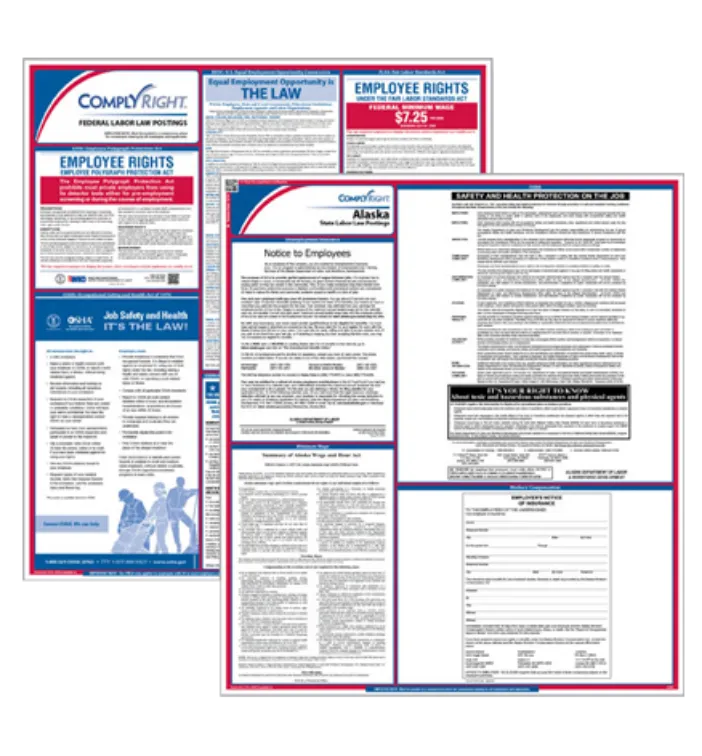
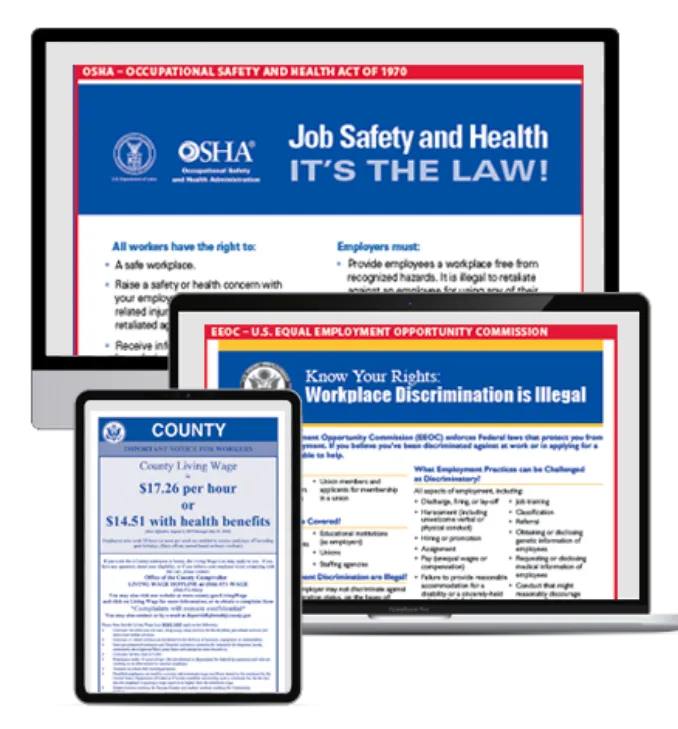
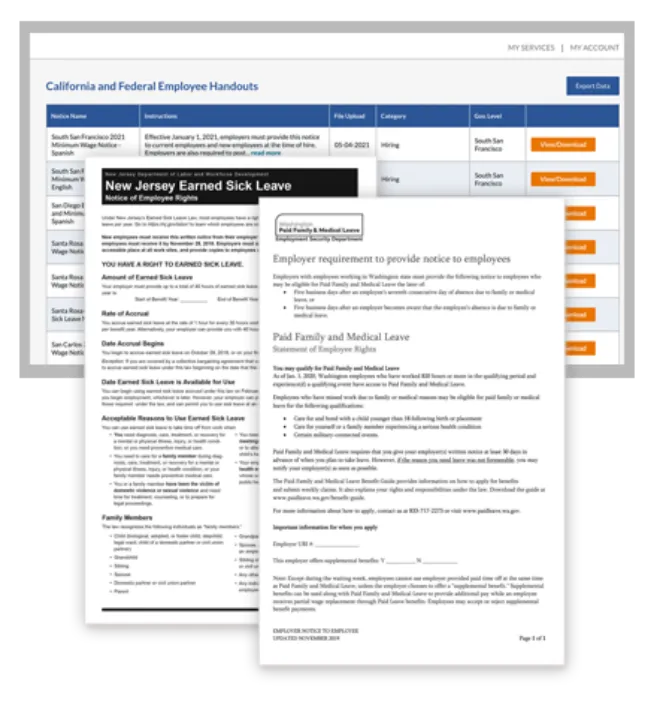
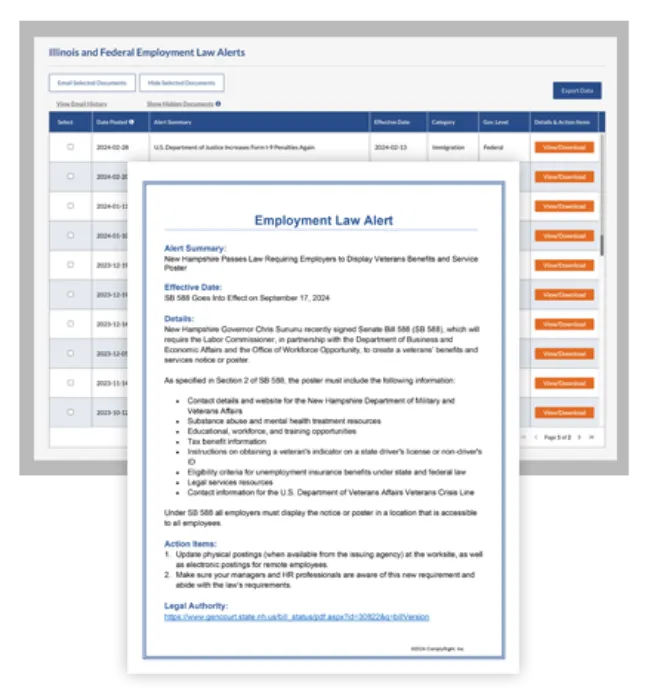
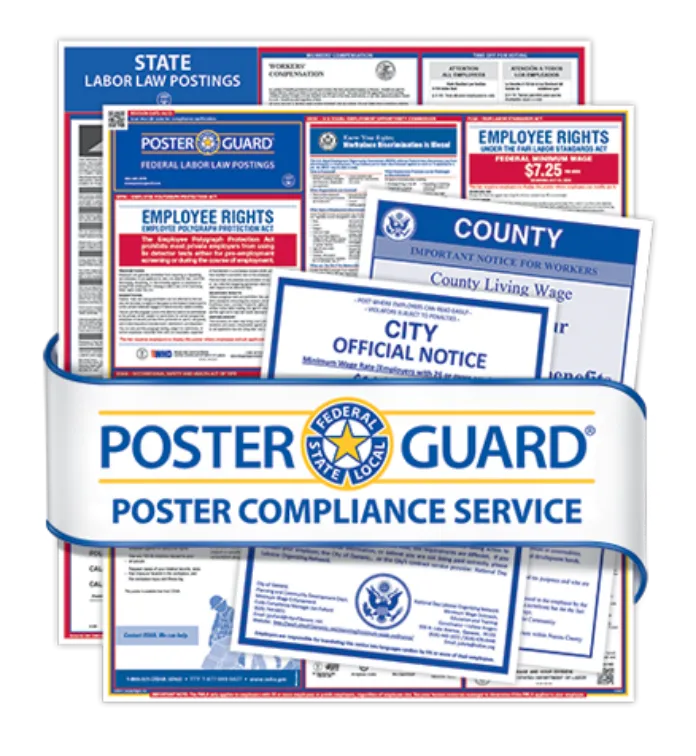
Poster Guard® Poster Compliance Service guarantees year-round compliance with mandatory posting requirements for one annual fee. Once enrolled, you'll immediately receive a full federal, state, county and city poster set, plus automatic replacements any time a mandatory change occurs. Backed by an expert legal team, it delivers 365 days of hassle-free labor law posting compliance.

Get Free
Posting Updates

Filters
Sort
display