HR professionals face a rapidly evolving compliance landscape in 2026, shaped by new regulations, heightened enforcement and growing expectations for transparency and ethical practices. Staying ahead requires awareness, adaptability and the ability to turn complex rules into practical policies that protect both employees and the organization.
Here are the top labor law trends HR teams need to watch this year:
1. Minimum Wage and Pay Transparency
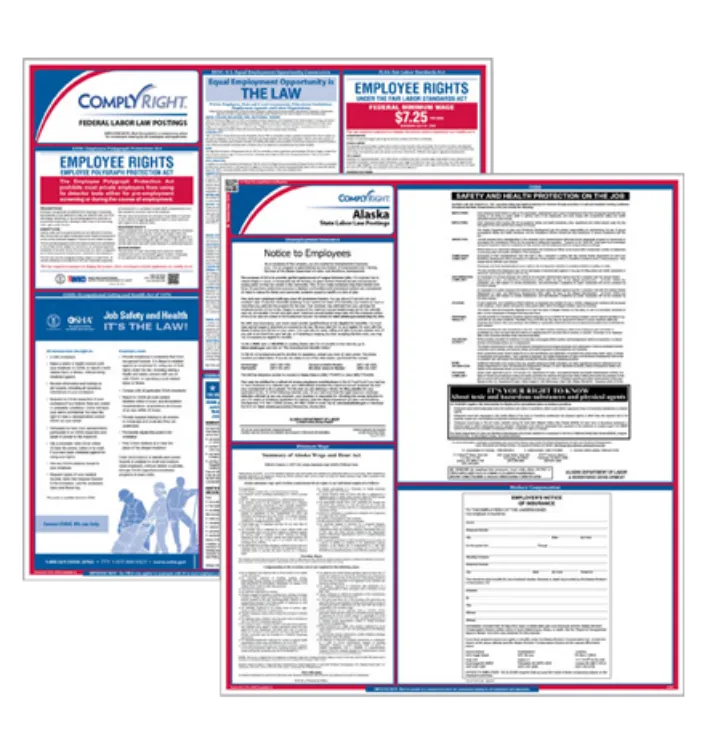
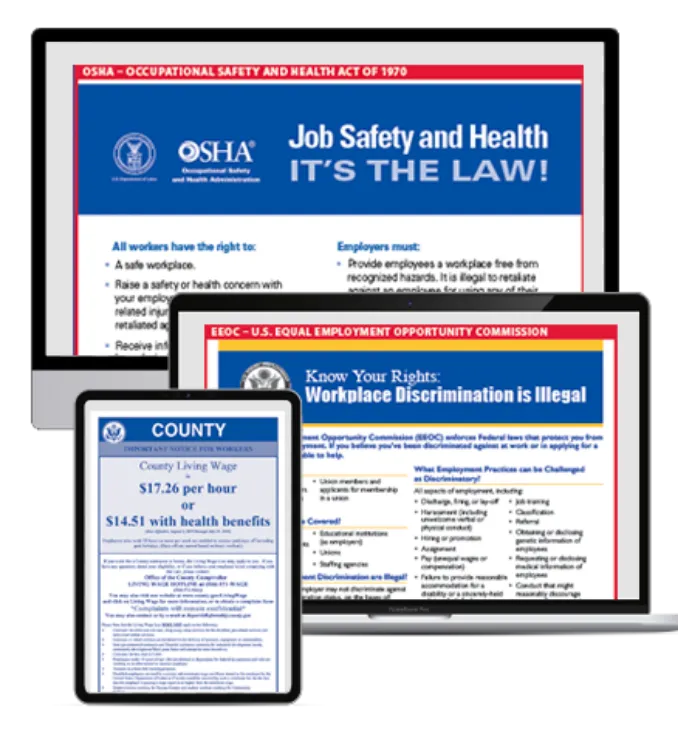
Pay transparency and minimum wage compliance continue to expand across the U.S., with states and cities enacting new rules to ensure fair compensation. Federal minimum wage remains at $7.25/hour, with certain federal contractors required to pay $13.30/hour as of January 2025. However, 30 states plus D.C. have higher minimum wage rates — and in 2026, 23 states and over 60 cities are raising their minimum wage again. Employers must pay the highest applicable rate and display all required postings, even if multiple posters conflict.
Pay transparency laws are also evolving to address the wage gap between men and women. “Wage transparency” laws prohibit retaliation against employees for discussing compensation, while “salary history” restrictions limit employers from asking about prior wages. States with such rules include California, Colorado, Connecticut, Delaware, Hawaii, Illinois, Maine, Maryland, Massachusetts, Minnesota, Nevada, New Jersey, New York, Oregon, Puerto Rico, Rhode Island, Vermont and Washington.
Some states, such as Georgia, Illinois, Maryland, New Hampshire, Oregon and Pennsylvania, also require mandatory postings or pay data reporting, where employers must submit detailed compensation reports to regulatory agencies. California leads with stringent reporting mandates, with Colorado and Oregon following quickly.
Practical tip: Audit pay structures, update postings and job applications, and train managers to discuss pay policies clearly to maintain compliance and equity.
2. Paid Leave
Paid leave compliance is increasingly complex, as states and cities add requirements beyond federal mandates. At the federal level, the Family and Medical Leave Act (FMLA) provides up to 12 weeks of unpaid leave, and Executive Order 13706 offers up to seven days of paid sick leave for certain federal contractors.
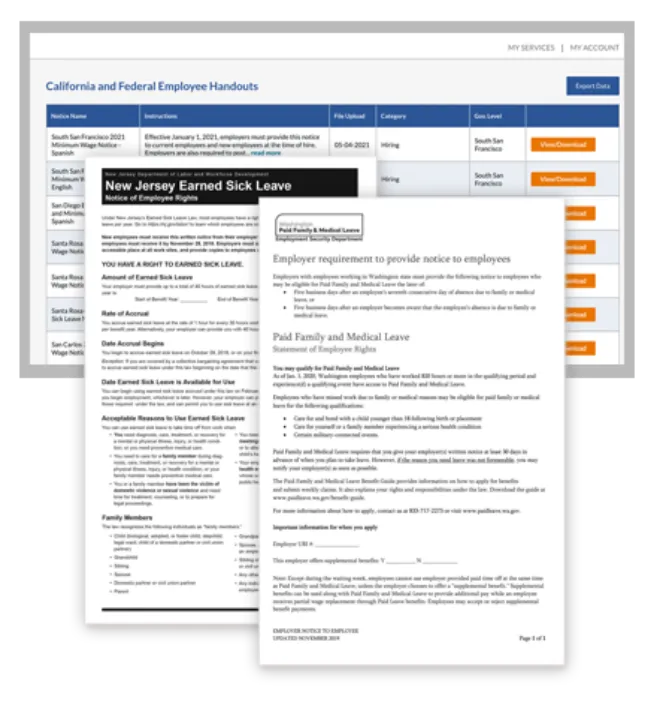
As of April 2026, 21 states (plus D.C.) have paid sick leave laws, including Alaska, Arizona, California, Colorado, Connecticut, Illinois, Maine, Maryland, Massachusetts, Michigan, Minnesota, Nebraska, Nevada, New Jersey, New Mexico, New York, Oregon, Rhode Island, Vermont, Virginia and Washington. In addition, over 30 municipalities — from Berkeley and Los Angeles to New York City and Seattle — have local ordinances requiring paid sick leave.
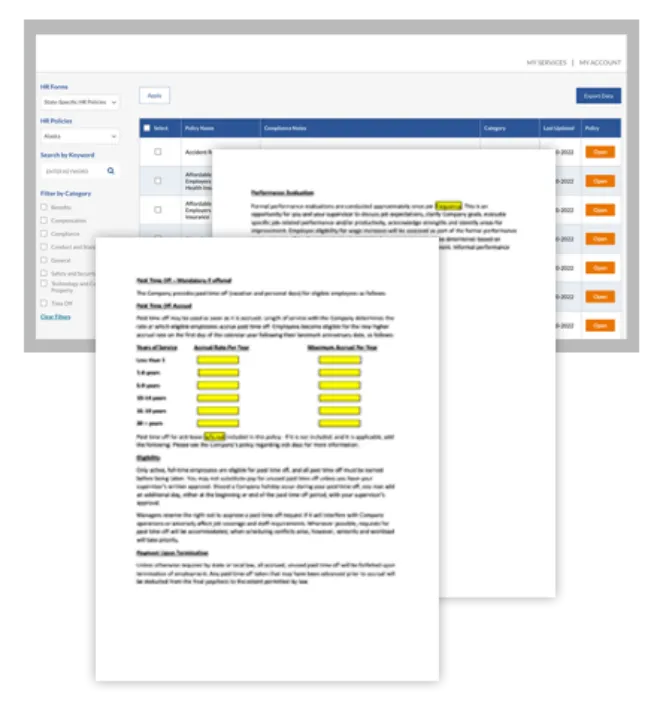
Practical tip: Harmonize leave policies across jurisdictions, track eligibility and accruals, and update employee handbooks to reflect both state and local requirements.
From pay transparency to AI, 2026 brings new labor law challenges that touch every part of HR.
3. E-Verify and I-9 Compliance
Immigration compliance remains a top HR priority. E-Verify checks I-9 information against DHS and SSA records to confirm work eligibility. Federal contractors with qualifying contracts must use E-Verify, and nine states currently require private employers to use the system (Alabama, Arizona, Florida, Georgia, Mississippi, North Carolina, South Carolina, Tennessee and Utah), with thresholds varying by employee count.
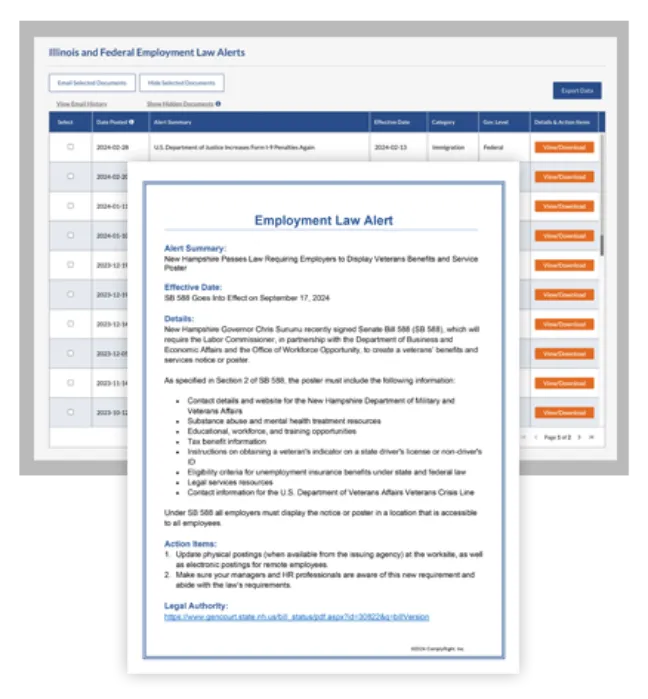
New state-level rules, such as Indiana's recently enacted Senate Bill 76 (SB 76) — which prohibits employers from knowingly hiring or retaining unauthorized workers while providing a "reasonable diligence" safe harbor — signal increasing regional compliance expectations. Federal legislation, including the proposed Accountability Through Electronic Verification Act, could expand E-Verify use nationwide. Meanwhile, stricter federal enforcement, audits, remote work complexities and higher penalties for I-9 errors make diligent recordkeeping more critical than ever.
Practical tip: Conduct periodic I-9 audits, post required notices and maintain proper documentation to reduce risk and support legal hiring processes.
4. Reasonable Accommodations
Reasonable accommodations are receiving heightened attention at both federal and state levels. The federal Pregnant Fairness Workers Act requires employers with 15 or more employees to provide accommodations for pregnancy, childbirth or related medical conditions. Examples include:
- More frequent breaks
- Modified work schedules
- Light duty or temporary transfers
- Remote work options (where feasible)
- Time off for medical appointments
Several states are expanding protections beyond federal requirements, including lactation, miscarriage recovery and stricter notice or policy rules (California, Colorado, Illinois). New York requires paid lactation breaks, and New Hampshire recently passed a lactation accommodation law.
Practical tip: Track state-specific laws, update policies, and train managers to ensure a supportive, compliant, and inclusive workplace.
5. Artificial Intelligence (AI)
AI is increasingly used in HR operations, including recruitment, hiring and performance management. While AI can improve efficiency, it introduces compliance risks around bias, privacy and data security. Illinois, Maryland and New York City have enacted regulations, and many others are considering legislation to address AI in employment.
Practical tip: Be transparent about AI use, audit automated decisions for fairness and comply with any city or state-specific rules to protect employees and mitigate legal risk.
6. Menopause as a Protected Class
Menopause protections are emerging as a fast-growing area of employment law. Rhode Island became the first state in the nation to require employers to provide workplace accommodations for employees experiencing menopause and related medical conditions, effective June 24, 2025. Philadelphia followed, becoming the first major U.S. city to add perimenopause and menopause to its list of protected classes, with that ordinance taking effect January 1, 2027. California's AB 1940, currently pending, would go further by adding perimenopause, menopause and post-menopause to the definition of "sex" under FEHA, making discrimination based on these conditions unlawful — and requiring employers to update their workplace discrimination posters accordingly. At least 16 menopause-related bills have been introduced in state legislatures since January 1, 2026, signaling that this trend is accelerating rapidly.
Practical tip: Review and update anti-discrimination and accommodation policies to address menopause-related conditions, and monitor posting requirements closely — particularly in California if AB 1940 is enacted.
Stay Ahead with Poster Guard® Poster Compliance Service
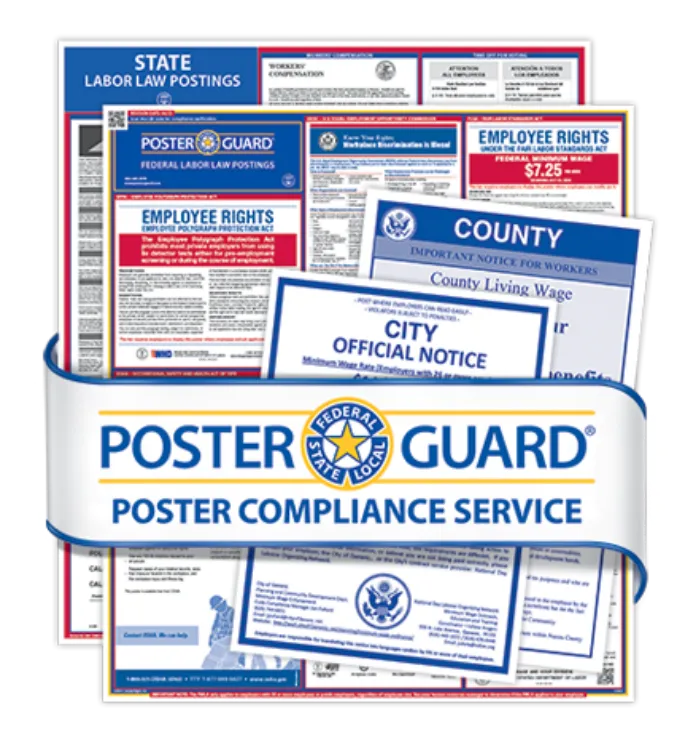
Many of these trends involve federal, state or local posting requirements. Poster Guard® Poster Compliance Service ensures your labor law posters remain current and accurate, preventing penalties for missed updates. HR teams can focus on strategy and workforce management while posting compliance is automatically maintained.